

Understanding the psychology behind gambling decisions in casinos
The Allure of Gambling: Why People are Drawn to Casinos
Gambling has captivated human interest for centuries, and the allure of casinos is a significant part of this fascination. The excitement of the unknown, the potential for financial gain, and the thrill of risk are strong motivators for many individuals. This combination of elements not only attracts players but also keeps them engaged. With the advantage of online casino neosurf, players can explore various games in a secure environment. In a world where every decision carries risk, the casino environment amplifies the sensation of taking chances.
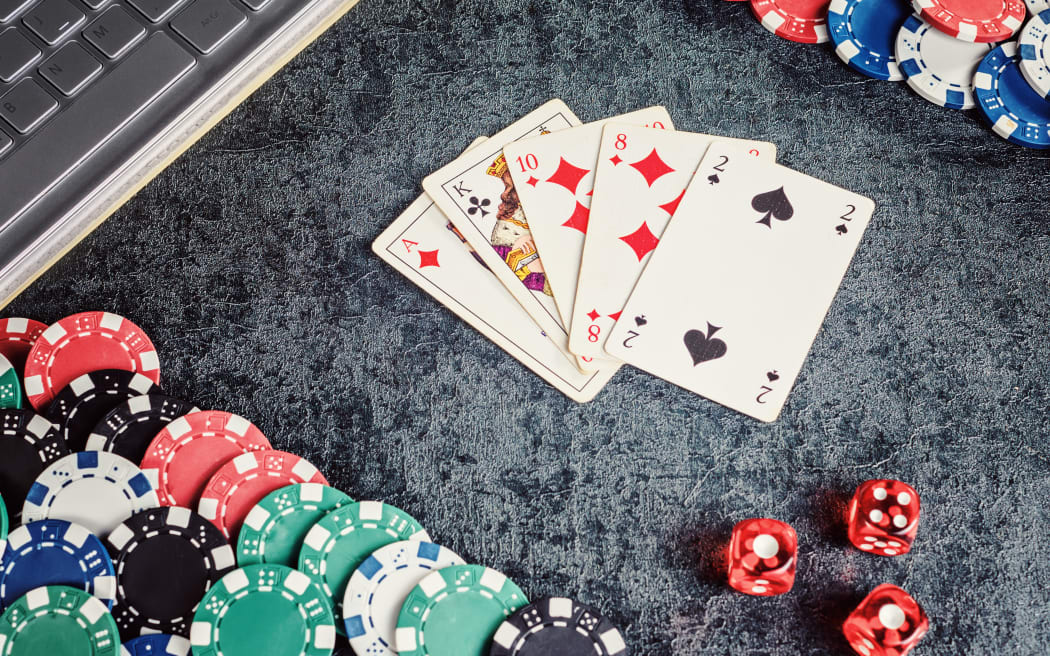
Additionally, many people are drawn to the social aspect of gambling. Casinos provide an environment where players can interact with one another, creating a sense of community and shared experience. This social interaction can enhance the excitement of playing, as the collective energy of the crowd can lead to increased adrenaline and motivation to continue betting. The overall atmosphere, often filled with lights, sounds, and cheers, serves to deepen this psychological connection to gambling.
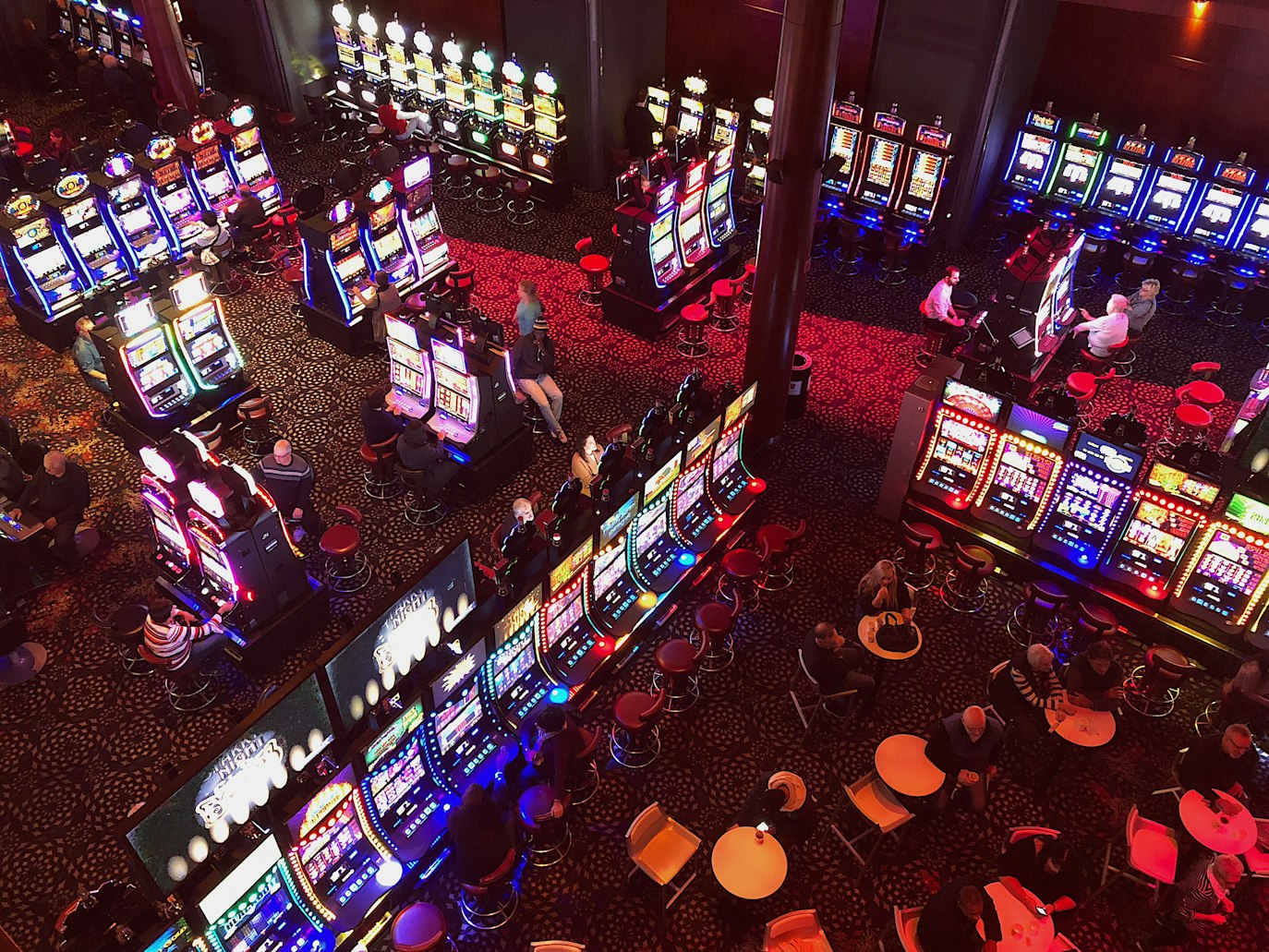
Moreover, the design of casino spaces plays a pivotal role in influencing decisions. The layout is intentionally crafted to keep players inside for longer durations. Lack of windows and clocks creates a distorted perception of time, allowing individuals to lose track of how long they have been gambling. This manipulation of the environment takes advantage of human psychology, encouraging players to make impulsive decisions without considering the ramifications fully.
Cognitive Biases Affecting Gambling Decisions
Cognitive biases are systematic patterns of deviation from norm or rationality in judgment. These biases significantly influence gambling decisions in casinos, as they lead players to make irrational choices. One common example is the “gambler’s fallacy,” where individuals believe that past outcomes influence future events. For instance, if a player has seen a particular slot machine pay out frequently, they may incorrectly assume it is due for another win, driving them to continue betting despite the odds being unchanged.
Another prevalent cognitive bias is the “availability heuristic,” which occurs when individuals rely on immediate examples that come to mind. This could mean that players who have recently seen someone win big might overestimate their chances of winning and subsequently increase their bets. This bias can be particularly potent in the casino environment, where successes are often highlighted, reinforcing the belief that winning is more common than it truly is.
Confirmation bias also plays a crucial role in gambling decisions. Players may seek out information that supports their belief in their winning strategies while ignoring contradictory evidence. For instance, if someone believes they have a “lucky” method for playing a game, they may only remember the times it worked while dismissing instances when they lost. This cognitive distortion can lead to persistent gambling behaviors, despite mounting losses, as players cling to the hope of a future win.
The Role of Emotions in Gambling Choices
Emotions are central to the gambling experience, as they can cloud judgment and lead to impulsive decisions. The thrill of a potential win often results in heightened emotions, which can be both exhilarating and dangerous. Positive emotions, such as excitement and hope, can push individuals to take bigger risks. Conversely, negative emotions, like frustration or anxiety, may lead to reckless behavior as players attempt to recover lost funds. This emotional rollercoaster can significantly influence overall gambling decisions and outcomes.
The concept of loss aversion, rooted in behavioral economics, explains how individuals react to potential losses more strongly than potential gains. Players may find themselves taking irrational risks in an effort to avoid a loss, betting more in hopes of recouping their earlier losses. This tendency can escalate into problematic gambling behaviors, as individuals chase losses and end up betting far beyond their means, fueled by desperation rather than rational decision-making.
Moreover, the excitement of gambling can lead to what is known as “temporal myopia,” where individuals focus on immediate rewards rather than considering long-term consequences. This phenomenon often results in a disconnect between short-term emotions and long-term financial health. Players may enjoy a moment of victory but overlook the fact that their overall balance may be diminishing. The emotional high of a win can obscure the reality of their gambling situation, promoting continued participation despite negative outcomes.
Casino Promotions and Their Psychological Impact
Casino promotions and bonuses are powerful tools used to attract and retain players. These incentives can lead to increased gambling activity, as players feel a sense of urgency to take advantage of limited-time offers. This urgency can activate the psychological principle of scarcity, which creates the impression that opportunities are fleeting and encourages impulsive decision-making. Such promotions can make players feel like they are gaining an edge, enhancing their motivation to engage in gambling activities.
The psychological impact of casino loyalty programs also cannot be understated. These programs create a sense of belonging and reward players for their loyalty, which reinforces continued patronage. Players may feel invested in these programs and motivated to gamble more to maintain their status, even when it is not in their best interest financially. This sense of community, combined with the desire for rewards, drives players to make choices that they might otherwise reconsider.
Additionally, promotional offers that provide the illusion of a free or discounted experience can alter perceptions of risk. Players may be more inclined to take chances when they feel they are getting a deal, leading to increased betting amounts and longer gaming sessions. This distortion of value can result in players spending more time and money than intended, driven by the belief that they are gaining more than they are risking, ultimately skewing their decision-making processes in the casino.
Finding Balance: Responsible Gaming Practices
Understanding the psychology behind gambling decisions is crucial for promoting responsible gaming practices. Players must be aware of the cognitive biases and emotional triggers that can lead to poor decision-making. By developing a heightened awareness of these psychological factors, players can better navigate their gambling experiences. This awareness can foster more informed decisions, ensuring that gambling remains a source of entertainment rather than a path to financial distress.
Establishing personal limits can also serve as a vital strategy for responsible gambling. Players should set boundaries for both time and money spent gambling, allowing them to enjoy the experience while mitigating the risk of addiction. By adhering to these limits, players can enjoy the thrill of the casino without succumbing to the temptations that often accompany prolonged gambling sessions.
Furthermore, resources such as support groups and educational materials can empower individuals to make healthier choices. Many casinos and gambling platforms offer tools for responsible gaming, emphasizing the importance of maintaining control over one’s gambling habits. By promoting awareness and providing support, the gaming community can help foster a healthier relationship with gambling, enabling players to engage in a more mindful manner.
