

Game design mechanics Exploring the balance of chance and skill in gambling environments
The Role of Chance in Gambling
Chance plays a critical role in the dynamics of gambling, influencing player decisions and the overall excitement of games. From slot machines to roulette wheels, the randomness inherent in these games creates a sense of unpredictability that attracts players. This element of chance not only heightens the thrill but also levels the playing field, ensuring that even novice players have a shot at winning, thereby making gambling accessible to a broader audience. To enhance your experience, you might want to check out english betting sites that offer great insights.
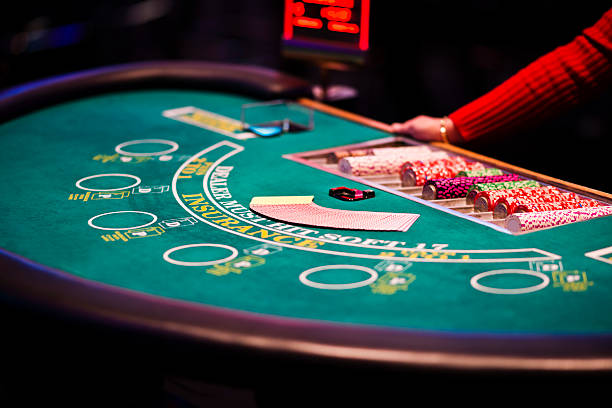
Furthermore, the psychology behind chance adds layers of intrigue to gambling environments. Players often find themselves entranced by the possibility of a big win, despite the odds being stacked against them. This allure is a fundamental aspect of why people engage in gambling, as it taps into the human propensity for risk-taking. The anticipation and excitement associated with chance can lead to heightened emotional responses, which can be both exhilarating and potentially dangerous.
However, while chance is essential in gambling mechanics, it also raises concerns about responsible gambling. The randomness of outcomes can lead players to develop misconceptions about their ability to influence results. Education around the nature of chance and its implications is vital in creating a safer gambling environment, helping players understand that while luck plays a part, the house edge ensures that the odds favor the casino in the long run.
The Importance of Skill in Gambling
While chance is a significant factor, skill is equally important in many gambling environments. Games such as poker, blackjack, and sports betting rely heavily on the player’s ability to make informed decisions based on strategy, probability, and psychology. In these settings, skill not only enhances the player’s chances of winning but also adds an intellectual dimension to gambling that can be deeply rewarding.
Skill-based games allow players to exercise control over their outcomes, which can lead to more satisfying experiences. Players who invest time in learning the nuances of a game often find themselves on an upward trajectory, honing their skills and increasing their odds of success. This balance between skill and chance creates a diverse gambling ecosystem where different player types can thrive, from casual gamers to serious strategists.
Moreover, the integration of skill into gambling mechanics fosters a sense of community among players. Tournaments and competitions centered around skill-based games promote interaction and engagement, transforming gambling from a solitary activity into a social experience. As players share strategies and insights, they contribute to a culture that values knowledge and expertise alongside the thrill of chance.
Strategies for Balancing Chance and Skill
Designing games that effectively balance chance and skill is a complex undertaking that requires a deep understanding of player psychology and behavior. Game designers must ensure that while chance provides excitement, skill allows for meaningful player engagement. This balance can be achieved through various mechanics, such as adjustable odds, player choice elements, and strategic decision-making opportunities that influence the game’s outcome.
One effective strategy is to implement tiers of complexity within a game. For instance, a game might start with simpler rules that cater to novice players, gradually introducing more strategic options as players become familiar with the mechanics. This approach not only accommodates a wider range of skill levels but also keeps players engaged over time, as they develop their abilities and tackle more challenging aspects of the game.
Moreover, continuous feedback and progression systems can enhance the balance between chance and skill. By rewarding players for their skillful decisions while still allowing for the unpredictability of chance, game designers can create a compelling and immersive experience. This feedback loop encourages players to refine their strategies, ensuring that their skills are recognized while still enjoying the thrill of the game’s inherent randomness.
Responsible Gambling Practices
The balance of chance and skill in gambling environments underscores the importance of responsible gambling practices. With the potential for addiction and financial loss, players must be equipped with the tools and knowledge to gamble responsibly. Educational initiatives that emphasize understanding odds, recognizing limits, and identifying risky behaviors can play a crucial role in fostering a safe gambling culture.
Moreover, responsible gambling practices can help mitigate the risks associated with chance-driven gambling. By encouraging players to set budgets, take breaks, and view gambling as a form of entertainment rather than a source of income, operators can create a more sustainable gambling environment. Integrating these practices into game design can also enhance player satisfaction, as individuals feel more in control and less susceptible to the pitfalls of chance.
Ultimately, the collaboration between game designers, operators, and regulatory bodies is essential in promoting responsible gambling. By prioritizing player welfare and creating environments that balance chance with skill, the gambling industry can foster a more engaging and sustainable experience for everyone involved. This commitment to responsible practices not only benefits players but also enhances the integrity of the gambling industry as a whole.

Conclusion and Exploration of Gaming Environments
In exploring the intricate balance of chance and skill in gambling environments, it becomes clear that both elements are essential in shaping player experiences. By understanding the psychology behind these mechanics, game designers can create engaging environments that cater to diverse audiences. The interplay between luck and strategy not only enhances the excitement of gambling but also encourages responsible practices, making it a more enjoyable pastime.
As the gambling landscape continues to evolve, the integration of technology and innovative game design will further refine this balance. With emerging trends like gamification and interactive experiences, players are likely to encounter new ways to engage with both chance and skill. By embracing these advancements, the gambling industry can attract new players while keeping current audiences entertained and informed.
Ultimately, the exploration of game design mechanics related to chance and skill is an ongoing journey. As players continue to seek immersive and responsible gambling experiences, the industry must adapt and innovate to meet these demands. Through education, strategic design, and a commitment to responsible practices, the future of gambling environments looks promising and engaging for all participants.
